
Why Are Conservation Efforts Important?

Atolls are barrier reefs grown atop both subsiding volcanic edifices dating back tens of millions of years and episodic coral reef growth and discontinuity relative to sea level along millennial timescales. The atolls of the Marshall Islands in the Central Pacific Ocean have been home for millennia to a seafaring society, the stage for critical battles across the Pacific Theater during WWII, and some of the most terrible nuclear experiments mankind has ever conducted. It is also home to the Reimaanlok Framework.

From the end of the nineteenth century, environmental impacts and threats have increased markedly. Land clearing (e.g. housing, airstrips), plantation development, pollution, waste, commercial fisheries and population have all increased, with climate change and resulting sea level rise emerging as the greatest threat of all. As dynamic and living geological features, the 29 atolls and 5 reef islands of the Marshall Islands need conservation action and stewardship to be resilient against the existential threat climate change poses to Marshallese livelihoods and culture.



What is the Reimaanlok Framework?

The Reimaanlok Conservation Area Management Planning Framework was updated in 2025 and it continues to help atoll communities in the Marshall Islands in a holistic manner to think globally and act locally. It employs community-based tools and approaches to articulate local objectives that translate to national, regional and international goals.
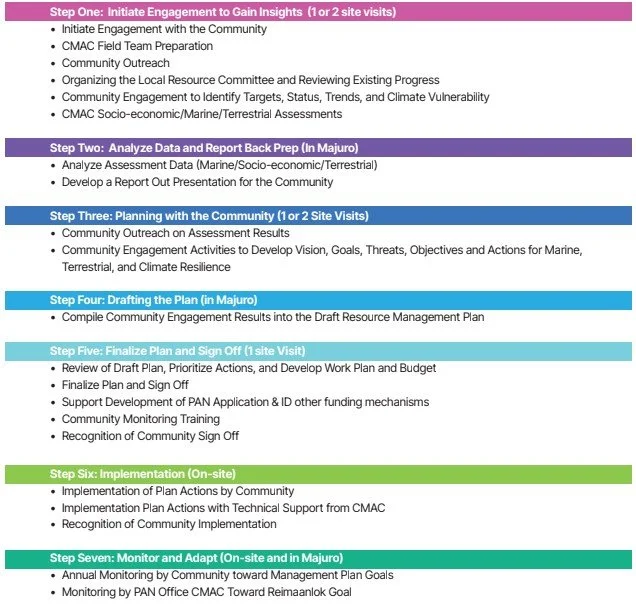
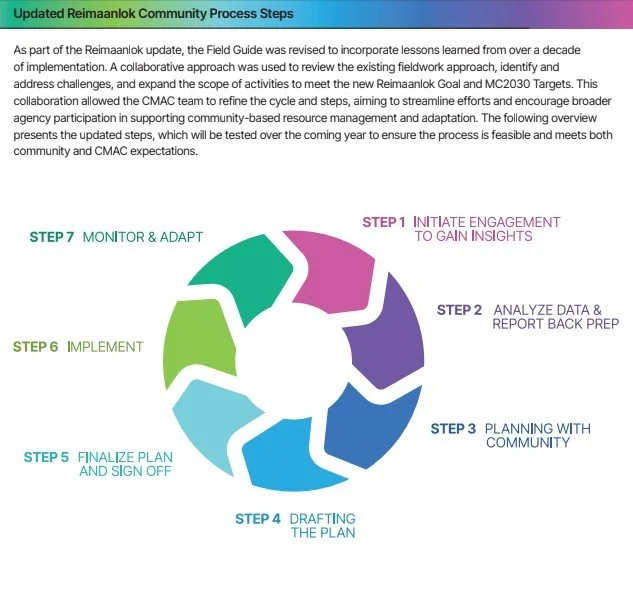
Reimaanlok Process Diagram

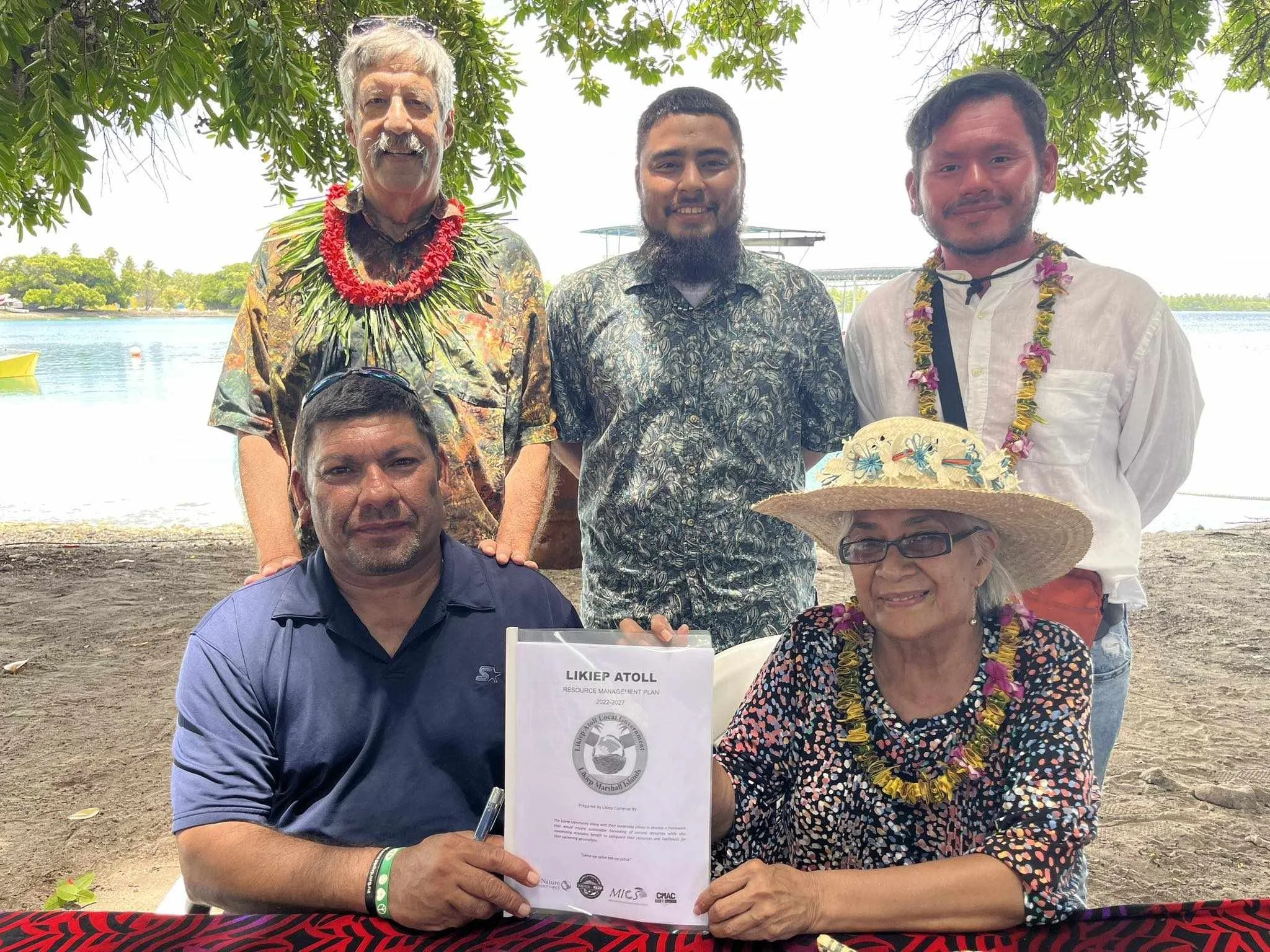
Likiep Atoll Management Plan sign-off by the Leadership

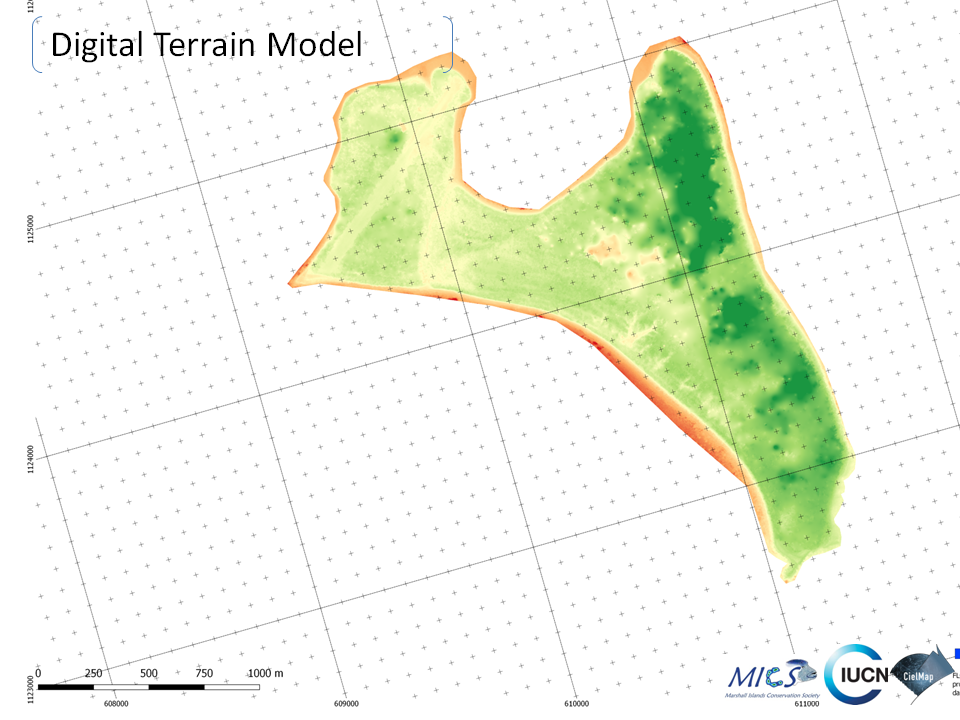
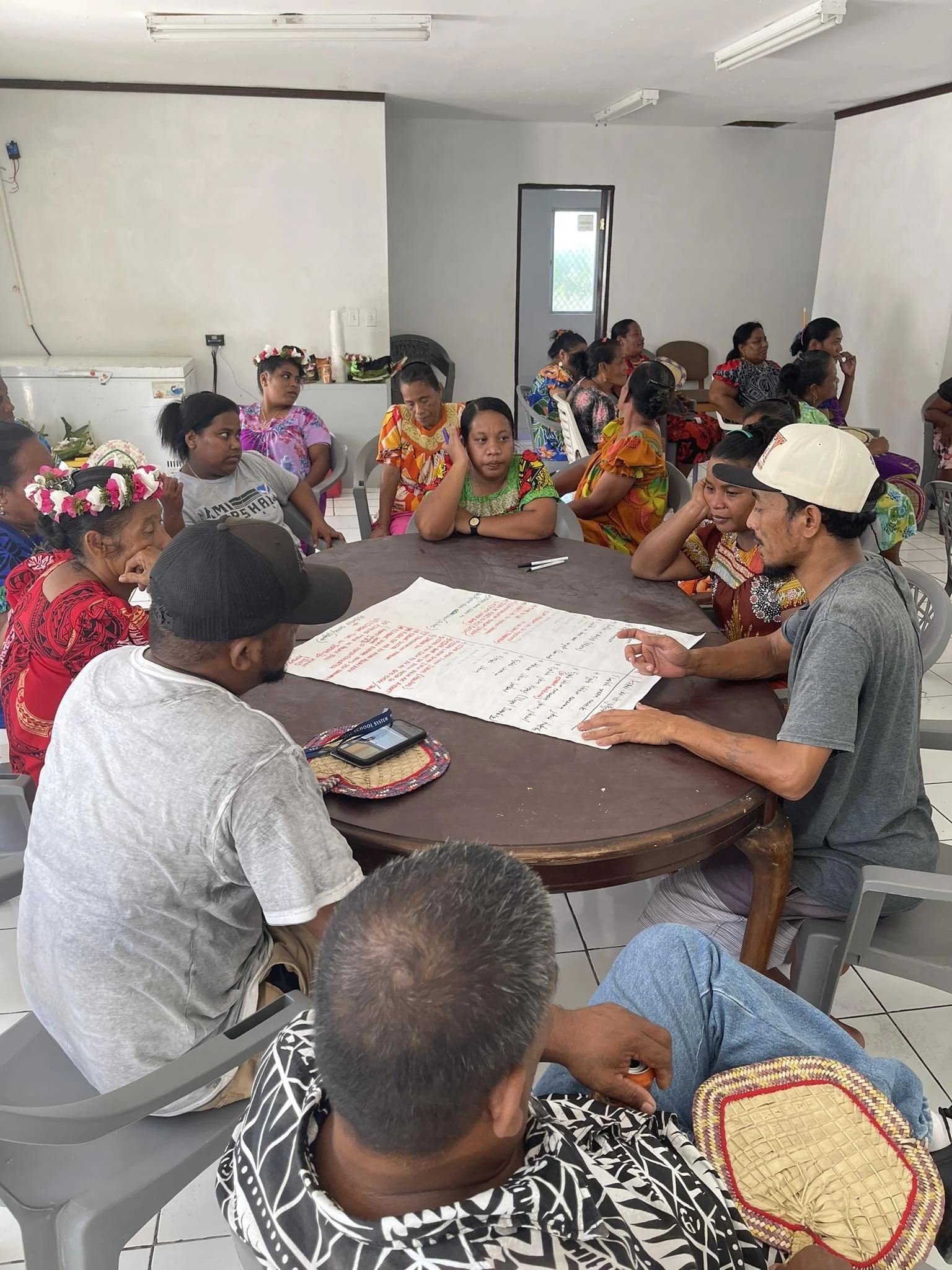
Among the many noteworthy atoll-appropriate features of the Reimaanlok process, in Step 1 a Local Resource Committee (LRC) is established by the municipal government which then oversees the development of the resource management plan in that atoll. The LRC consists of representatives from the local government, traditional leadership, church leadership, men and women’s groups, youth, elderly and persons with disabilities. Step 3 is also noteworthy in that it entails gathering rich datasets along socioeconomic, ecological, and physical parameters. 


Some communities using this approach are finding early success as they proceed in the step-by-step process of articulating threats and their needs and priorities, codifying these into a management plan with various short, medium, and long term measures including in enhancing their ecosystem and socio-economic resilience to climate impacts. Moreover, these municipalities/communities remain engaged in the process of implementing and monitoring these measures as a unifying endeavor for their community.

At the national level, the Reimaanlok Framework is now mainstreamed within national government legislation, governance, and financing systems most importantly within the RMI Protected Area Network (PAN). It is also mainstreamed into the RMI’s survival plan, Pepjelmae, our National Adaptation Plan as a planning tool for effective management of coastal and marine resources.

For MICS, in addition to grants from funding partners such as GEF Small Grants Program, The Nature Conservancy and the Micronesia Conservation Trust, there are a few large funding initiatives that advance the Reimaanlok Framework (national and regional) including:

  • Asian Development Bank - Ireland Trust Fund (ADB)

  • International Union for Conservation of Nature (IUCN)

  • Global Environment Facility (GEF)

  • Global Climate Fund (GCF)


The Reimaanlok work is dedicated to

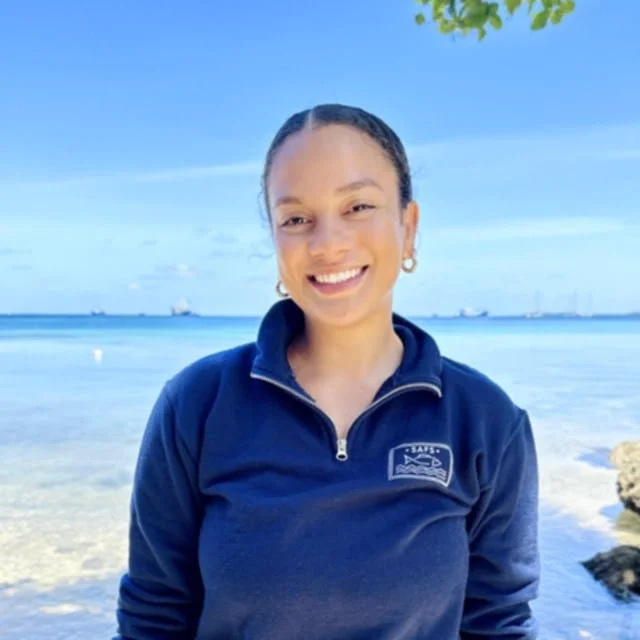
Kalena Kattil-deBrum,

a dedicated scientist who

worked tirelessly alongside local

communities in developing their

resource management plans. Her

commitment to both science and

the well-being of the people she

served leaves a lasting impact on

all of us.


What Is The CMAC?

The Coastal Management Advisory Council (CMAC) is a team of people from a range of organizations and backgrounds – all with a common interest in the conservation, development and management of the irreplaceable coastal and marine resources of the Republic of the Marshall Islands (RMI). With the establishment of the RMI Protected Areas Network Office, the organization is now mandated to provide consul, review project proposals and carry out relevant activities based on the Reimaanlok process. Through the diverse members of the group, CMAC has the experience and capacity to carry out resource management activities, they have the skills and knowledge in other areas of need including conservation, focused management, coastal zone management, climate change, disaster risk reduction and alternative livelihood development.

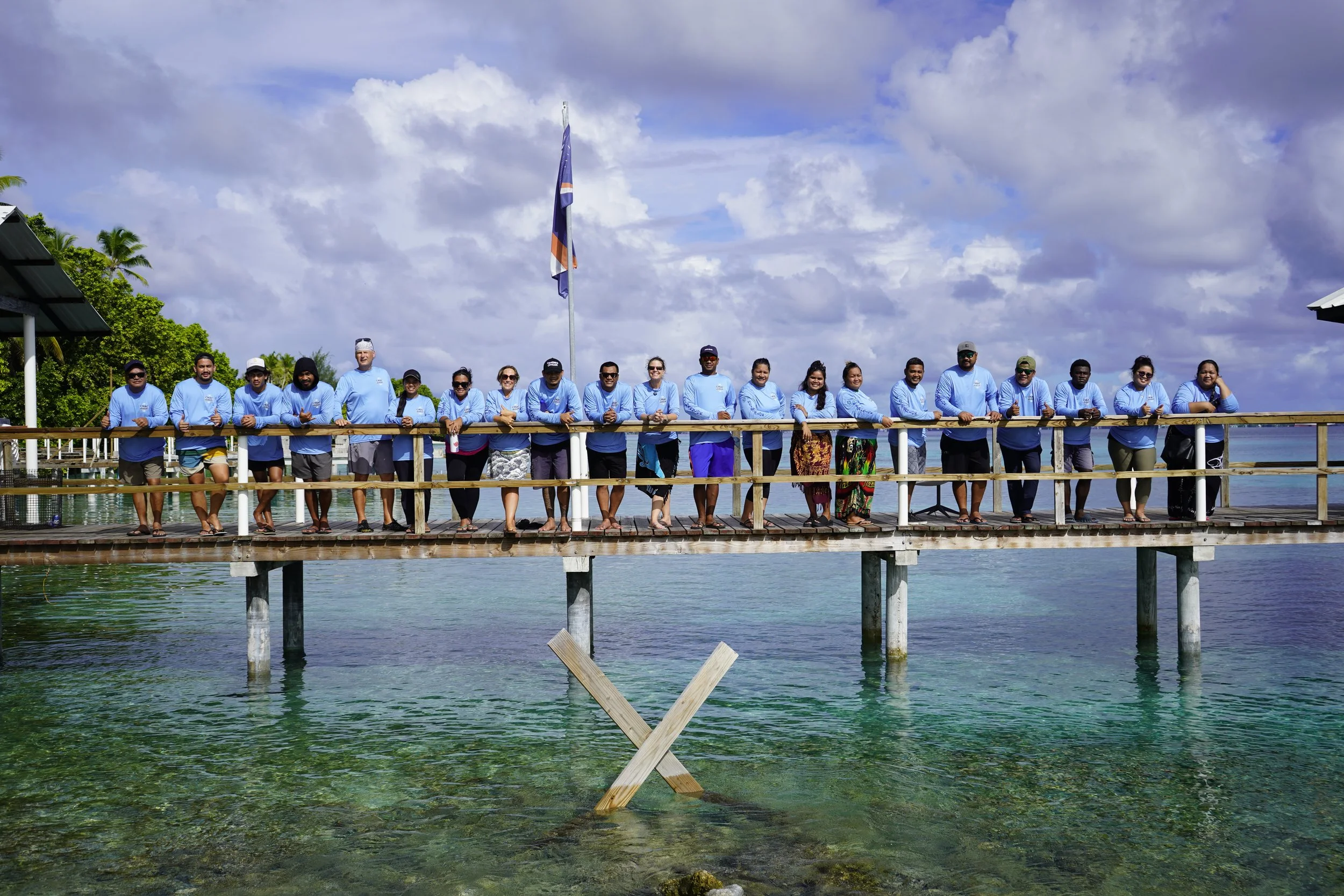
CMAC Group Photo

CMAC Group Photo

CMAC Group 2025

CMAC provides the mechanism for collaboration, integration and technical advice on natural resources management and alternative livelihood development in the RMI. Its membership includes:

CMAC Working Group Members:

CMAC Board Members:

  • RMI Environmental Protection Authority, Chair

  • Marshall Islands Conservation Society, Vice Chair

  • Marshall Islands Marine Resources Authority (MIMRA)

  • Climate Change Directorate

  • RMI Ministry of Cultural and Internal Affairs (RMIHPO, MIMA)

  • RMI Ministry of Natural Resources & Commerce (NRC)

  • RMI National Disaster Management Office


Our Impact

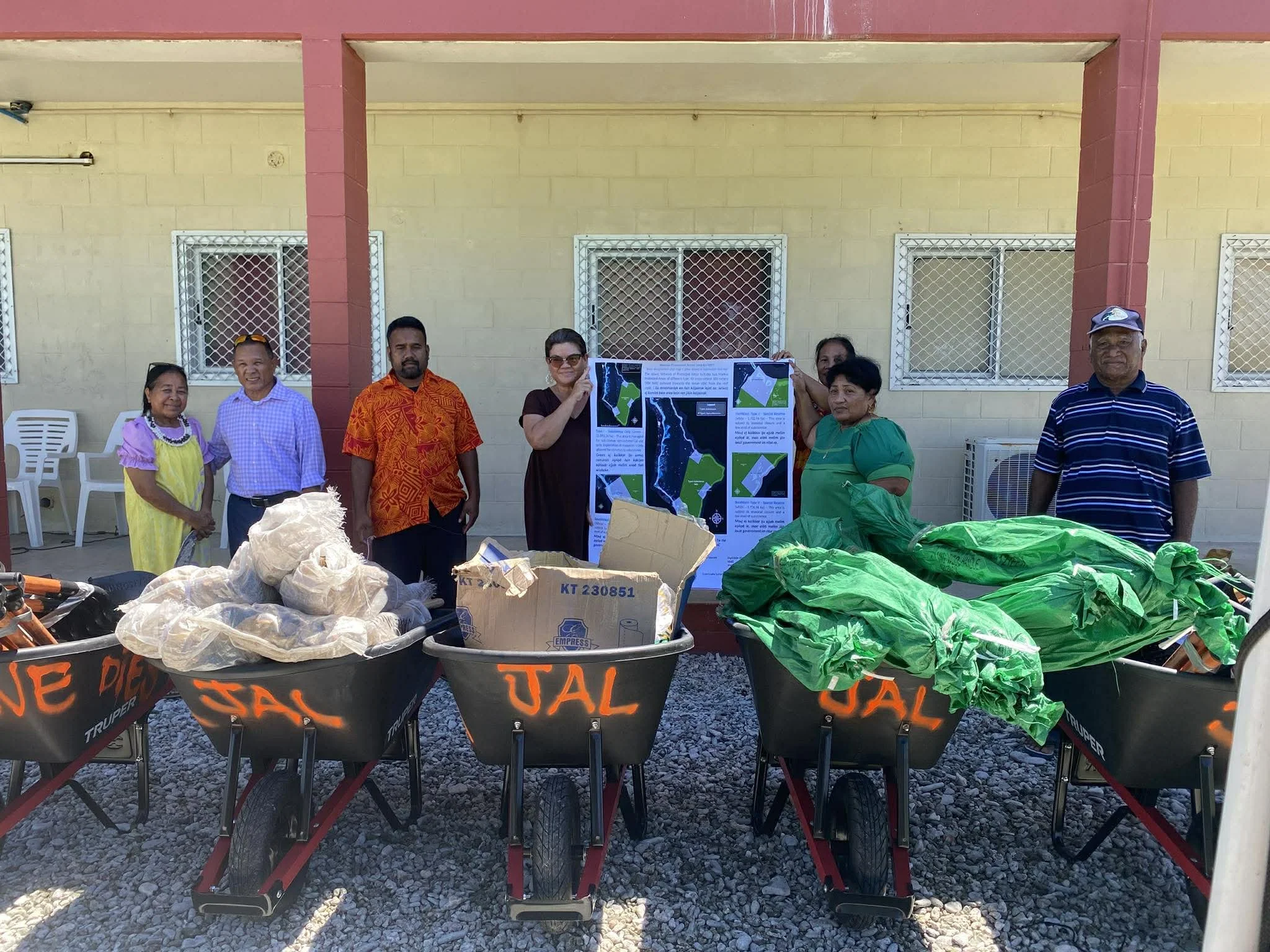
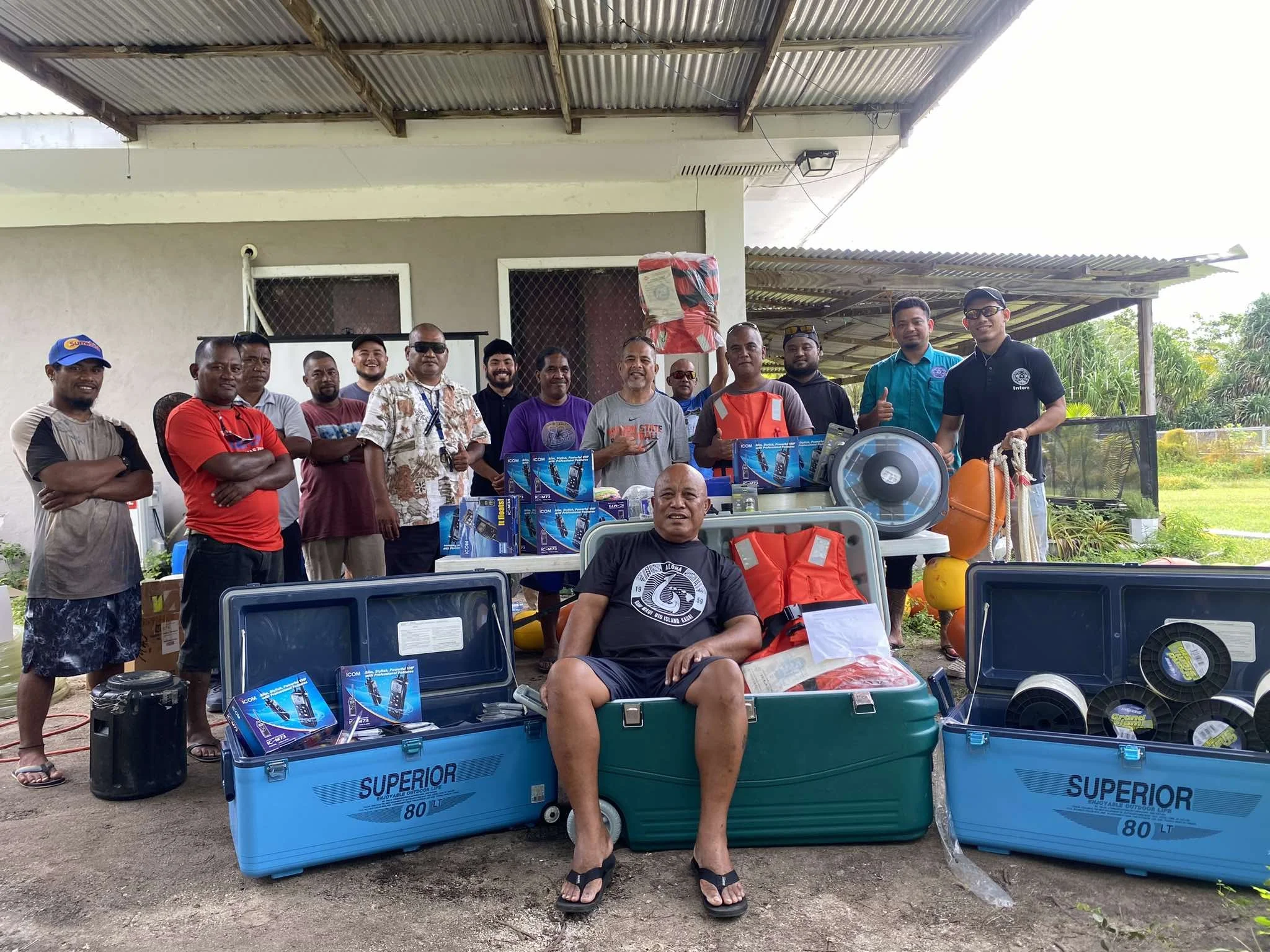
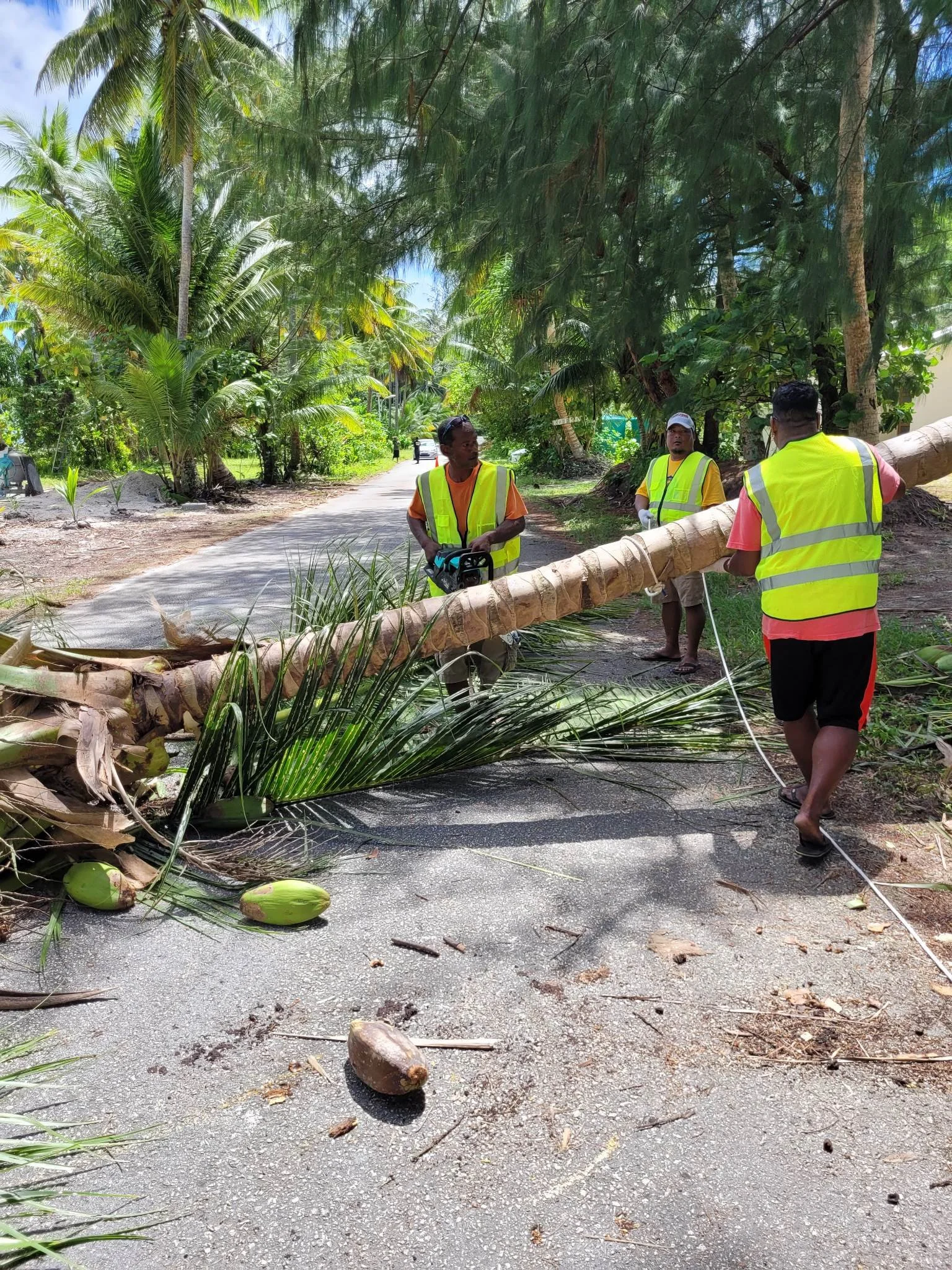
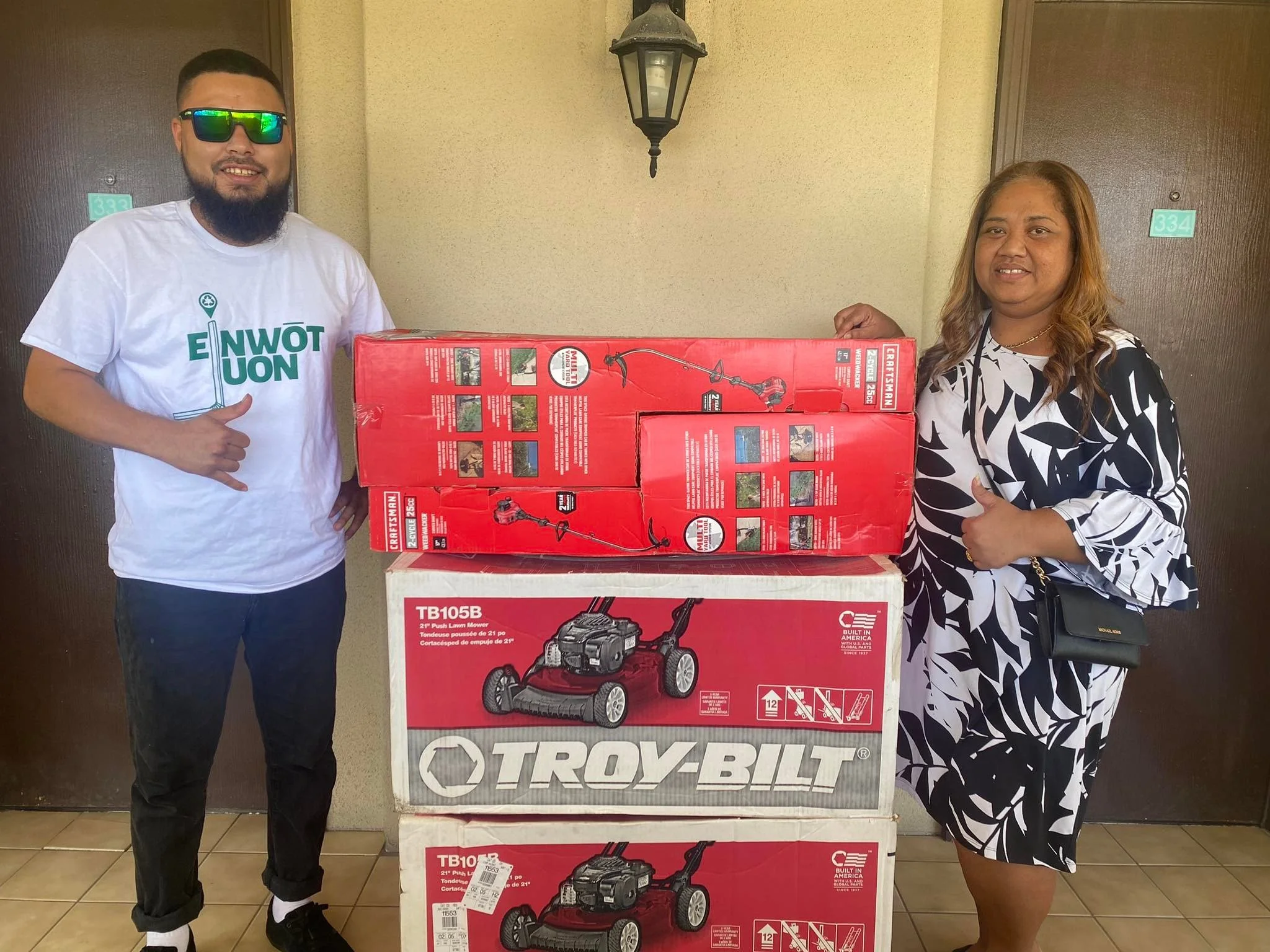
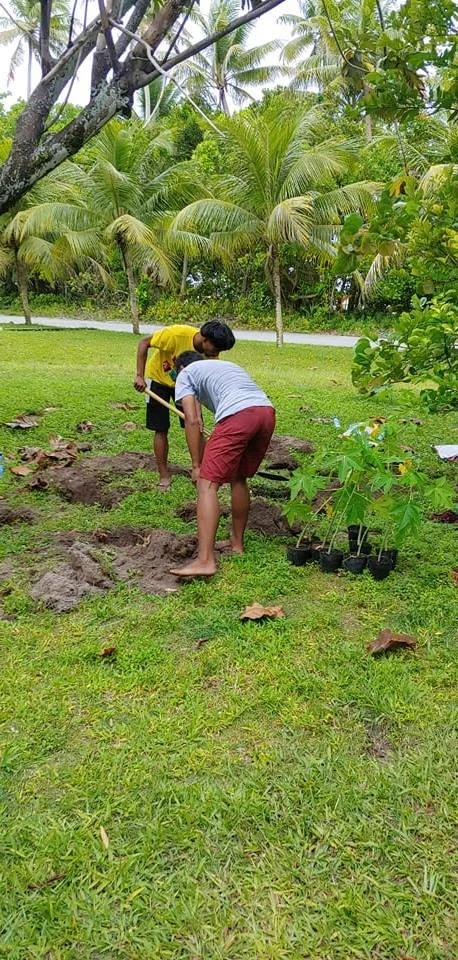
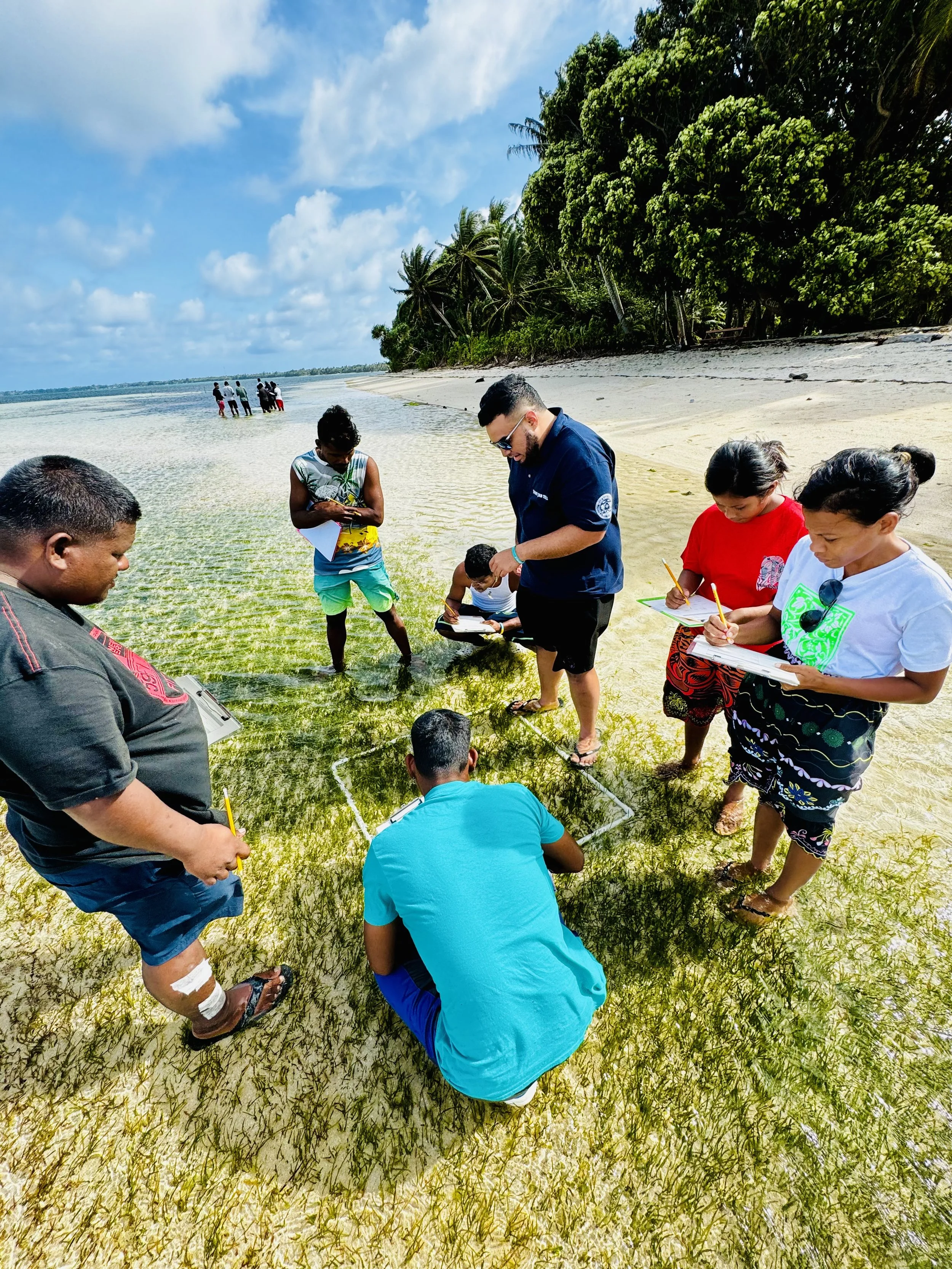
Click on the images below to read more about the work MICS has been doing on the ground!